Real-Time Algorithmic Shifts Driving Live Betting in Asia's Emerging Markets
Geschrieben von Willa Keller · 2.11.2026
Real-Time Algorithmic Shifts Driving Live Betting in Asia's Emerging Markets
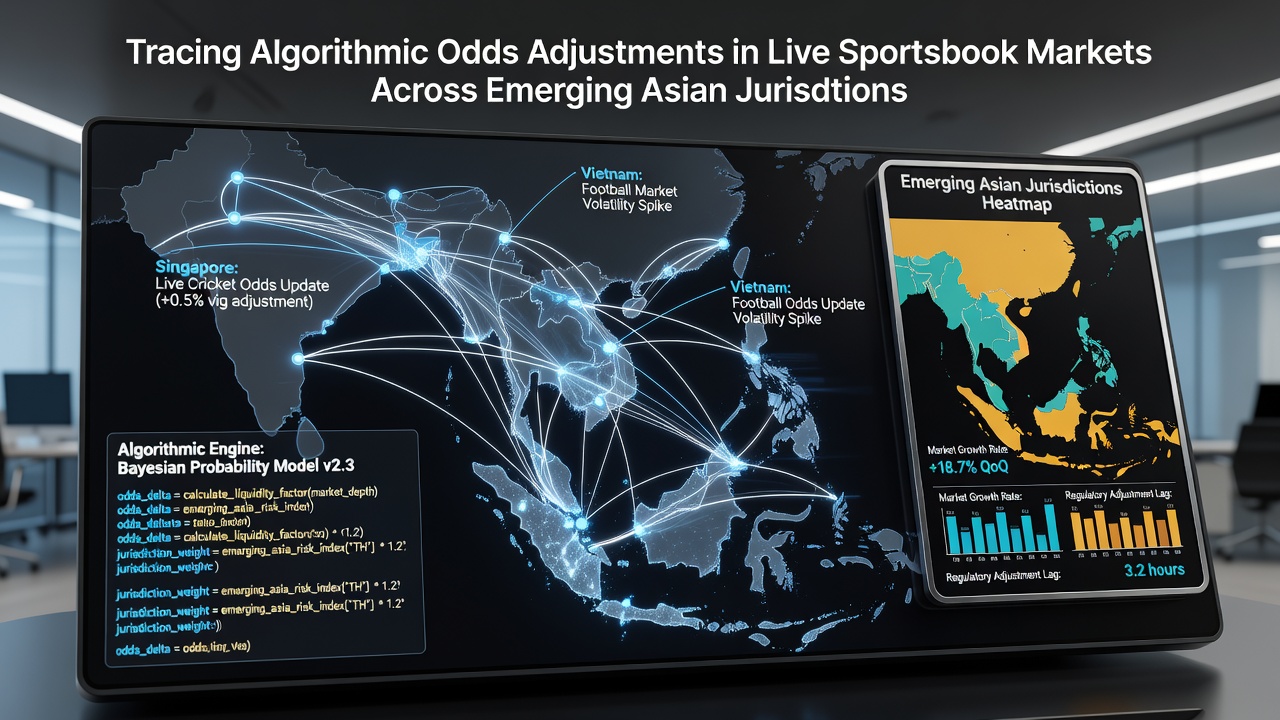
Algorithmic systems now handle the bulk of live odds updates across emerging Asian sportsbook markets, and operators in jurisdictions such as Vietnam, Thailand, and the Philippines rely on these tools to recalculate probabilities within seconds of each on-field event. Data streams from official leagues feed directly into proprietary models that adjust prices for goals, corners, and player substitutions while maintaining margins that respond to incoming bet volumes.
Core Mechanics of Live Odds Algorithms
Models ingest multiple inputs at once including current score, time remaining, historical performance metrics, and real-time liquidity signals from the betting pool itself, then output revised decimal or fractional odds that reflect the updated probability distribution. Engineers at several regional platforms integrate machine-learning layers that detect sudden spikes in wager size on one side of a market and automatically widen spreads to balance exposure before manual traders intervene.
Those same systems also track external variables such as weather changes at outdoor venues or last-minute lineup announcements, and they apply weighted adjustments that have been calibrated against thousands of past matches. When volume surges on a particular outcome the algorithm can shift the line by several basis points in under a second, which keeps the book balanced and limits liability accumulation during high-traffic periods.
Regulatory Context in Selected Jurisdictions
Emerging Asian regulators have begun publishing technical guidelines that require operators to maintain audit trails for every automated odds change, and November 2026 marks the scheduled rollout of enhanced reporting standards in two Philippine economic zones where live betting licenses have expanded rapidly. These rules mandate that platforms store timestamped records of algorithmic decisions alongside raw data feeds so that compliance teams can reconstruct pricing sequences during post-event reviews.
Similar frameworks are under discussion in parts of Thailand and Vietnam, where authorities have requested demonstrations of how models handle edge cases such as interrupted matches or disputed referee decisions. Operators who meet these transparency thresholds receive expedited license renewals while those unable to produce granular logs face additional scrutiny.
Regional Differences in Model Calibration
Platforms serving Thai markets tend to emphasize football and muay thai events, so their algorithms incorporate league-specific injury databases and referee tendency statistics that differ from the basketball-heavy models used in the Philippines. Indian operators, operating under varying state rules, often run parallel systems that apply distinct margin structures for cricket versus football, which allows them to comply with local tax calculations while still competing on price.
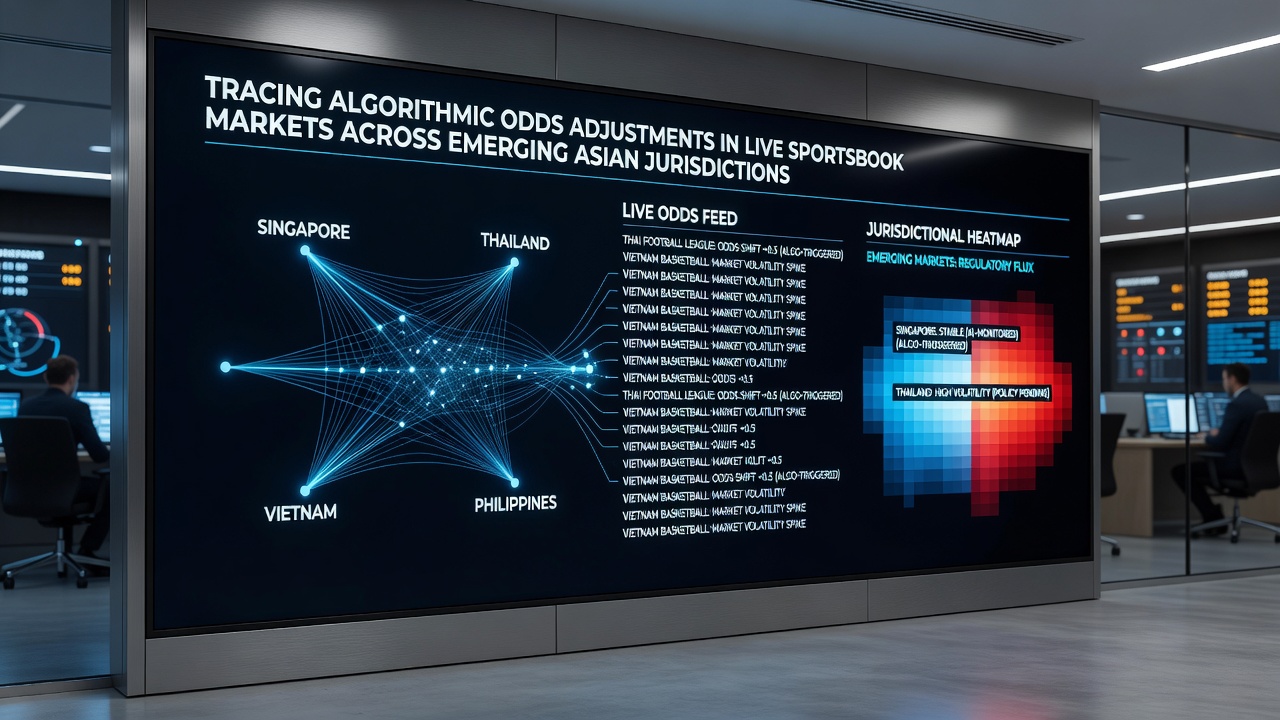
Cross-border operators that serve multiple jurisdictions maintain region-specific parameter sets inside a shared core engine, and they switch calibration profiles automatically based on the customer's registered location. This modular approach reduces the need for separate codebases yet still satisfies divergent regulatory expectations around margin caps and liquidity thresholds.
Industry Data and External Benchmarks
Figures released by the Singaporean Centre for Gaming Regulation show that average odds adjustment frequency in licensed live markets rose 34 percent between 2024 and 2026, driven largely by increased mobile traffic during evening peak hours. A separate study conducted by researchers at the University of Macau documented similar patterns in cross-border flows, noting that algorithmic responses to liquidity shocks now occur roughly twice as fast as manual interventions recorded in 2022.
Trade groups such as the Asia Pacific Gaming Association have compiled anonymized datasets that illustrate how models in different countries respond to identical match events, and these comparisons reveal measurable differences in spread width and recovery time after large bets. Observers note that jurisdictions with stricter audit requirements tend to show narrower post-adjustment spreads because operators calibrate more conservatively to avoid compliance flags.
Operational Challenges and Technical Responses
Network latency between league data providers and sportsbook servers remains a persistent issue in some Southeast Asian locations, so firms deploy edge computing nodes closer to local internet exchanges to shorten the interval between event detection and odds publication. Redundant model instances run in parallel, and fallback rules automatically freeze markets if primary feeds drop below acceptable quality thresholds.
Staff training programs now include modules on interpreting algorithmic outputs rather than manual price setting, and risk managers review daily exception reports that flag instances where human overrides deviated significantly from model recommendations. These practices help maintain consistency while still allowing experienced traders to intervene during unusual market conditions.
Conclusion
Algorithmic odds management has become a foundational element of live sportsbook operations throughout emerging Asian jurisdictions, and the combination of regulatory reporting requirements, region-specific calibrations, and infrastructure improvements continues to shape how platforms respond to live events. Data from multiple sources indicates that adjustment speeds and transparency levels are both rising, which aligns with broader industry movement toward automated, auditable systems.