Decoding Biometric Authentication Trends Reshaping Entry Protocols at Digital Wagering Platforms
Geschrieben von Tina Braun · 16.11.2026
Decoding Biometric Authentication Trends Reshaping Entry Protocols at Digital Wagering Platforms
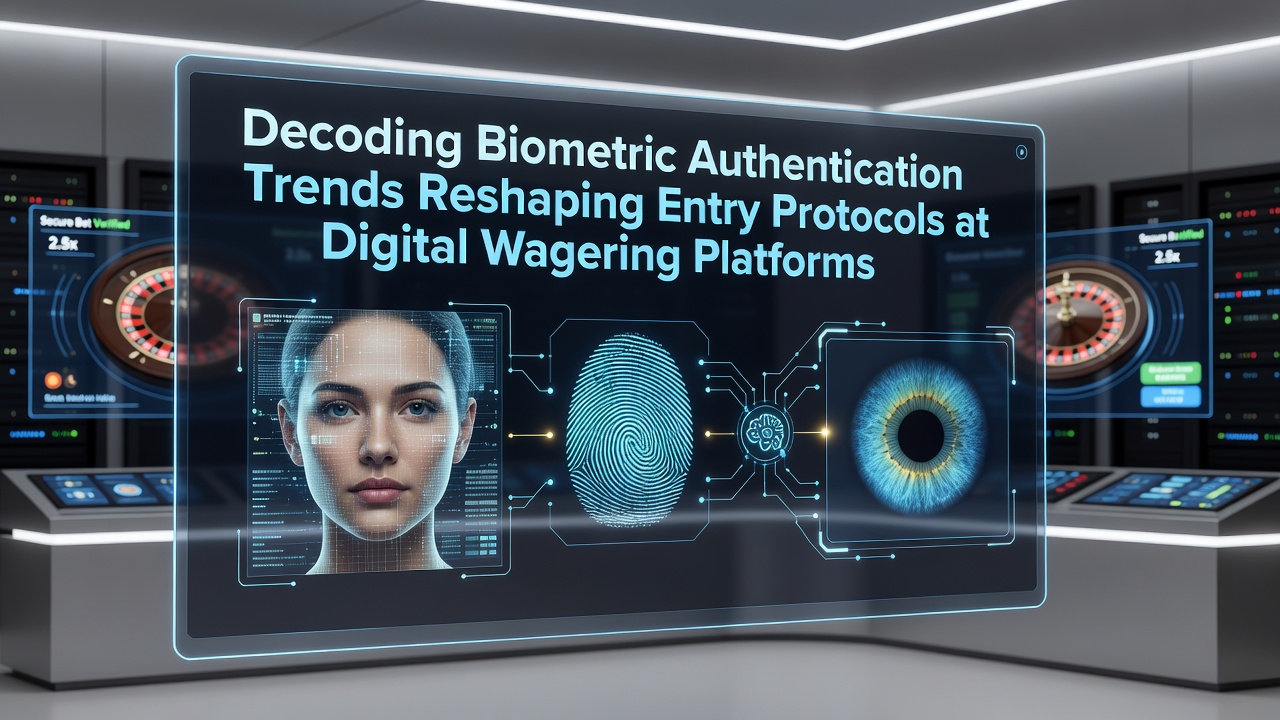
Digital wagering platforms have accelerated their adoption of biometric authentication systems in recent years, and this shift has transformed how operators manage user entry protocols across multiple jurisdictions. Research from industry reports indicates that fingerprint scanning, facial recognition, and voice biometrics now serve as primary verification methods at many sites, replacing or supplementing traditional password and two-factor authentication processes. Data from 2025 shows that over 60 percent of major platforms in regulated markets incorporated at least one form of biometric login, according to figures released by the Canadian Gaming Association.
Operators integrate these technologies because they reduce account takeover incidents while streamlining access for verified users, and government agencies in several regions track their effectiveness through mandatory reporting requirements. In Australia, the Australian Communications and Media Authority has documented a 25 percent drop in unauthorized access complaints at platforms using multi-modal biometrics since 2024. Those who study security trends note that facial recognition systems often combine with device-based sensors to create layered entry points that adapt to different user environments.
Key Biometric Methods Gaining Ground
Fingerprint authentication remains the most widespread option because it pairs easily with mobile devices, yet facial recognition has seen faster growth in desktop and tablet environments where camera quality supports higher accuracy rates. Voice biometrics appear in customer support integrations and high-value transaction approvals, while emerging methods such as palm vein scanning and behavioral analytics continue to undergo testing at select European operators. A study published by the University of Melbourne's gambling research center in early 2026 found that platforms combining two biometric factors experienced 40 percent fewer fraud attempts compared with single-factor setups.
Entry protocols now frequently require initial identity verification through government-issued documents followed by biometric enrollment, after which users can log in using their stored traits. This structure aligns with regulatory expectations in markets like those overseen by iGaming Ontario, where operators must demonstrate robust player protection measures. What's interesting is how these systems handle edge cases such as aging facial features or temporary injuries affecting fingerprints, and many platforms maintain fallback options including one-time passcodes sent to registered devices.
Regulatory Developments and Market Adoption
European regulators have issued updated guidelines that encourage biometric use while mandating data protection standards, and similar frameworks appear in Canadian provincial rules and Australian state legislation. In November 2026, several operators are scheduled to roll out enhanced biometric pilots that incorporate real-time liveness detection to counter spoofing attempts with photos or recordings. Figures from the European Gaming and Betting Association reveal that biometric logins now account for 45 percent of all new account creations in EU-regulated markets, up from 18 percent two years earlier.
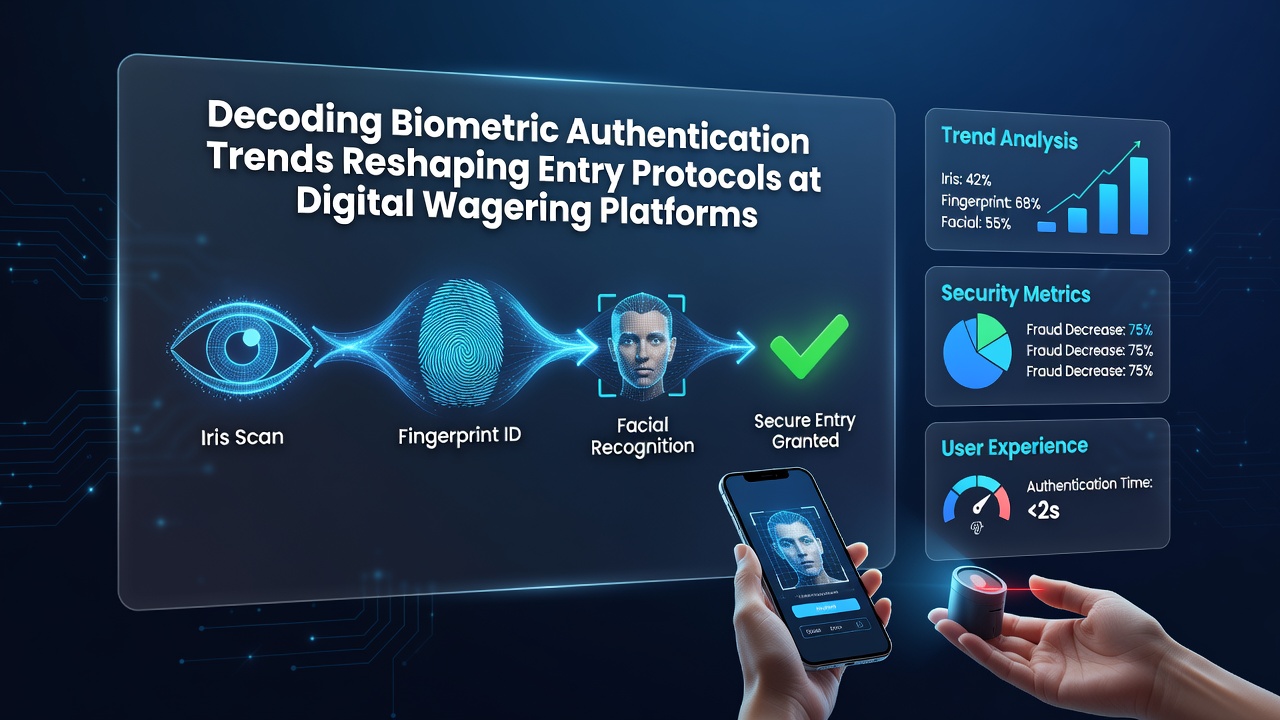
Operators report that these protocols improve conversion rates because users complete registration faster once their biometrics are enrolled, and data indicates fewer abandoned sign-up flows. Platforms also use biometric data to monitor session behavior for signs of account sharing, which remains prohibited under most terms of service. Researchers have observed that integration with existing know-your-customer databases allows seamless cross-checks against sanctioned individuals without requiring repeated document uploads.
Security Implications and Technical Challenges
Biometric systems reduce reliance on passwords that users often reuse across sites, yet they introduce new considerations around data storage and breach consequences. Encrypted templates rather than raw images or recordings sit at the core of most implementations, and industry standards developed by technical working groups emphasize this approach. Platforms that store biometric data locally on user devices rather than centralized servers have recorded lower exposure risks in independent audits conducted through 2025 and 2026.
Technical teams continue to refine algorithms that account for environmental variables such as lighting conditions during facial scans or background noise during voice verification. Those who've examined deployment case studies note that hybrid models combining biometrics with behavioral signals like typing patterns deliver stronger overall security without increasing friction for legitimate users. Regulatory bodies in multiple regions require regular third-party testing of these systems to maintain licensing compliance.
Future Outlook Through Late 2026
Adoption rates are projected to climb further as more jurisdictions finalize biometric-friendly frameworks, and operators prepare infrastructure upgrades ahead of anticipated rule changes. Cross-border platforms face additional complexity because authentication standards vary by region, prompting some companies to develop modular systems that activate different methods based on user location. Evidence from ongoing pilots suggests that user acceptance remains high when platforms clearly communicate how biometric data is protected and used solely for authentication purposes.
Conclusion
Biometric authentication continues to redefine entry protocols at digital wagering platforms through improved security layers and streamlined access methods. Market data and regulatory records demonstrate steady expansion across North America, Europe, and Australia, while technical refinements address accuracy and privacy concerns. Observers tracking these developments expect further integration of multi-factor biometric approaches by the end of 2026 as operators respond to both compliance requirements and user expectations for seamless yet secure logins.